Chinese Ambassador Welcomes First South African Apple Shipment Under Landmark Zero-Tariff Policy
China has become Africa's largest trading partner, while African nations supply critical minerals, energy resources, and increasingly value-added agricultural goods to China.

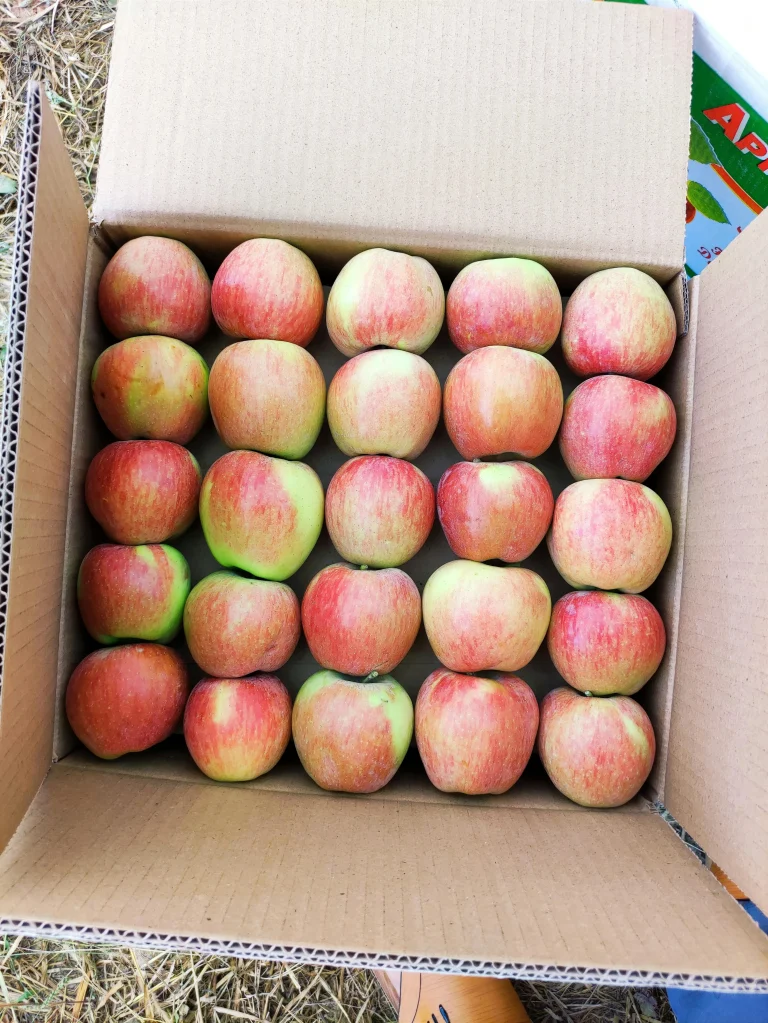
Chinese Ambassador to South Africa Wu Peng has warmly welcomed the arrival of the first 24-tonne shipment of South African apples in Shenzhen on May 1, 2026, hailing it as a milestone in deepening economic ties between China and Africa.
The consignment, cleared under a new zero-tariff policy, marks South Africa as the inaugural beneficiary of expanded duty-free access to the vast Chinese market.
In a social media post accompanying footage of the nighttime customs clearance at Shenzhen Bay Port, Ambassador Wu Peng emphasized the significance of the moment.
Customs officers inspected crates of vibrant red apples arriving by truck, underscoring efficient processing and the fruits’ journey from South African orchards to Chinese consumers.
The shipment eliminated a 10% tariff, delivering an immediate saving of approximately 50,000 Rand for exporters and enhancing price competitiveness in one of the world’s largest consumer markets.
This development stems from China’s decision to extend zero-tariff treatment to 100% of tariff lines for goods from all 53 African countries with which it maintains diplomatic relations.
Effective from May 1, 2026, to April 30, 2028, the policy builds on an earlier initiative that granted full duty-free access to 33 least-developed African nations since December 2024.
It now incorporates 20 additional economies, including South Africa, Egypt, Nigeria, and Kenya. Eswatini remains the sole exception due to its diplomatic ties with Taiwan.
The move forms part of broader efforts under the Forum on China-Africa Cooperation (FOCAC) to promote mutual development, industrialization, and South-South cooperation.
Chinese officials describe the policy as a long-term institutional arrangement designed to counter global protectionism and provide African products with a competitive edge.
Exports such as South African apples, citrus, and wine; Kenyan coffee and avocados; and cocoa from Côte d’Ivoire and Ghana—previously subject to tariffs of 8-30%—are poised to benefit significantly.
China-Africa relations have evolved into one of the most dynamic partnerships on the global stage.
Bilateral trade reached a record US$295.6 billion in 2024, climbing further to around US$348 billion in 2025, with continued growth in 2026.
China has become Africa’s largest trading partner, while African nations supply critical minerals, energy resources, and increasingly value-added agricultural goods to China.
Initiatives under the Belt and Road Framework, infrastructure development, and agricultural protocols have complemented trade expansion. China has signed protocols on agricultural exports with multiple African countries, and over 2,400 African food enterprises are now registered to export to China.
For South Africa, the policy arrives at a strategic time. As Africa’s most industrialized economy, it stands to gain from diversified exports beyond traditional minerals.
Agricultural stakeholders anticipate boosted revenues for farmers, job creation in the supply chain, and stronger market access.
The apples symbolize a shift toward higher-value, processed, and fresh produce exports.
Analysts view the zero-tariff policy as a practical expression of China’s commitment to shared prosperity. By lowering barriers, it encourages African industrialization, capacity building, and integration into global value chains.
Challenges remain, including non-tariff measures such as phytosanitary standards, logistics, and the need for African producers to scale up quality and volume to fully capitalize on the opportunity.
As the first shipment of South African apples reaches Chinese supermarkets and wholesalers, it signals a new chapter in China-Africa relations—one defined by reciprocity, market access, and collaborative growth.
Ambassador Wu Peng’s welcome reflects not only diplomatic warmth but a tangible step toward a more balanced and prosperous partnership between China and the African continent.