Gauteng Declares Foot-and-Mouth Disease a National Animal Crisis
According to the provincial government, the outbreak can be traced back to April last year, when cattle were illegally transported from KwaZulu-Natal into the West Rand.

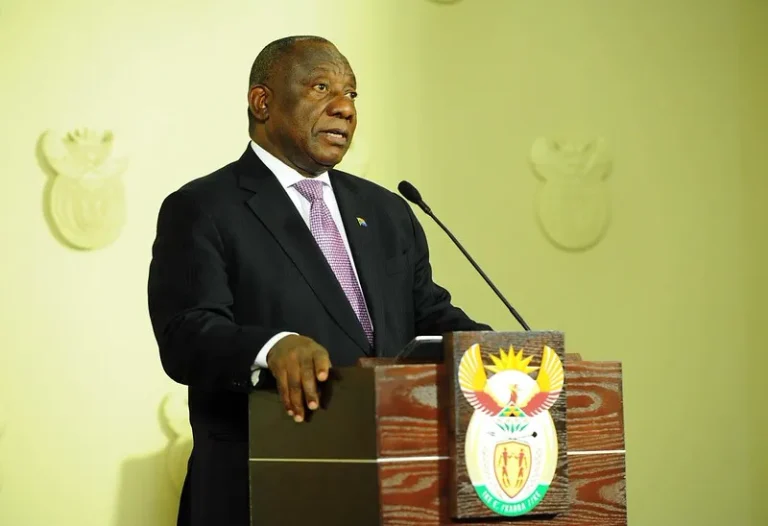
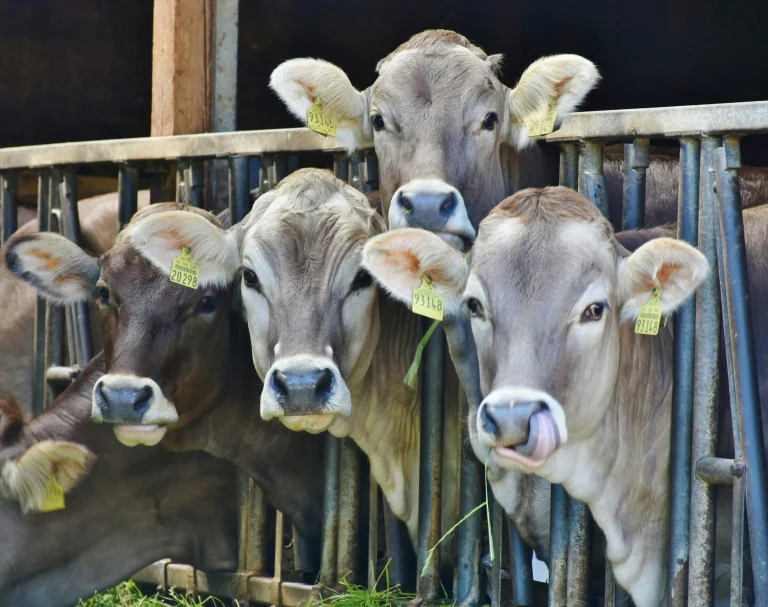
Gauteng Premier Panyaza Lesufi has described the ongoing foot-and-mouth disease (FMD) outbreak as a national animal crisis, warning that urgent and coordinated action is needed to protect the livestock sector and food security.
Lesufi was joined by Gauteng MEC for Agriculture and Rural Development Vuyiswa Ramokgopa during a media briefing held in Johannesburg on Monday, 27 January, where the province outlined its response to the outbreak.
According to the provincial government, the outbreak can be traced back to April last year, when cattle were illegally transported from KwaZulu-Natal into the West Rand. The incident is believed to have triggered the spread of the highly contagious disease within Gauteng.
To contain the outbreak, the province has activated an accelerated multi-stakeholder rapid response plan. This includes the allocation of R60 million towards cleaning, vaccination and other critical interventions for livestock farmers through Provincial Veterinary Services.
Ramokgopa confirmed that 286,000 vaccine doses have already been secured, with an additional 90,000 doses expected. The vaccines are sourced from Botswana, in coordination with the National Department of Agriculture, which is supporting the rollout.
The response plan also involves the security and transport cluster conducting roadblocks in key areas to curb the illegal movement of livestock. Intergovernmental coordination at municipal level has been strengthened to ensure all stakeholders remain involved, while farmer engagement sessions will be held with auctioneers, traditional leaders, and other role players in the livestock value chain.
Addressing Mapepeza’s question on concerns about illegal cattle movements from infected areas outside Gauteng, Ramokgopa said while the movement of cattle is not entirely banned, buyers are strongly encouraged to ensure all livestock transport is accompanied by the correct documentation.
She further confirmed that vaccines and veterinary services will be provided free of charge to local and community-based livestock farmers through the department’s dedicated veterinary services.
On the issue of local vaccine production, both Lesufi and Ramokgopa acknowledged that no budget has yet been set aside for local manufacturing of FMD vaccines. However, they said the long-term plan is to explore local production and policy interventions that could support private sector involvement.
The province also highlighted the need for consumer and community education, particularly among those who transport livestock for traditional ceremonies. Ramokgopa said this would be addressed through the multi-stakeholder rapid response team, which will create an open platform for anyone in the livestock sector to contribute and share inputs.
Authorities reiterated that all livestock movements must comply with strict regulations. These include an owner declaration, a recipient undertaking to isolate animals for at least 28 days before introducing them into the main herd, and all relevant stock theft documentation.
The Gauteng government has called on farmers, traders and the public to cooperate fully with veterinary officials to prevent further spread of the disease.