
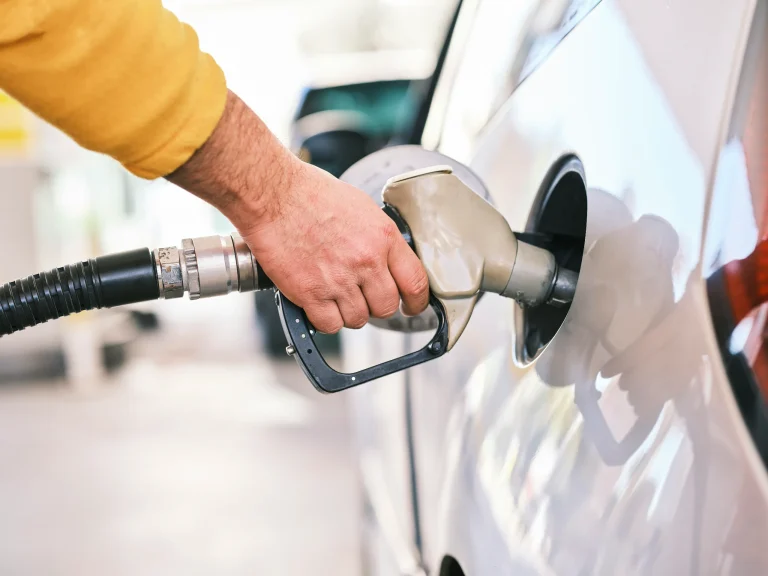
Motorists to Benefit as Petrol Price Drops by 52 Cents a Litre in August
According to the Department of Mineral and Petroleum Resources, the decline in petrol prices was largely driven by lower international crude oil prices during the review period.

South African motorists will receive welcome relief at the fuel pumps this week after the Department of Mineral and Petroleum Resources announced a reduction in petrol prices, effective from Wednesday, 5 August 2026.
Minister of Mineral and Petroleum Resources, Gwede Mantashe, confirmed the latest monthly fuel price adjustments on Monday, with both grades of petrol set to decrease by 52 cents per litre.
The reduction means that 95 unleaded petrol in Gauteng will drop from R26.10 to R25.58 per litre, while 95 unleaded at the coast will decrease from R25.23 to R24.71 per litre.
However, the good news for petrol users is tempered by significant increases in diesel and paraffin prices.
The Department announced that:
Diesel (0.05% sulphur) will increase by R1.38 per litre.
Diesel (0.005% sulphur) will increase by R1.23 per litre.
Wholesale illuminating paraffin will rise by R1.52 per litre.
The Single Maximum National Retail Price for illuminating paraffin will increase by R2.03 per litre.
The Maximum Retail Price of LPGas will decrease by R4.41 per kilogram, while consumers in the Western Cape will benefit from a larger reduction of R5.03 per kilogram.
According to the Department of Mineral and Petroleum Resources, the decline in petrol prices was largely driven by lower international crude oil prices during the review period.
“The average Brent Crude oil price decreased from US$86.53 to US$82.37 per barrel during the period under review. The impact of renewed US-Iran tensions, which briefly pushed prices close to US$100 per barrel, was offset by the earlier decline in prices following the ceasefire memorandum of understanding between the US and Iran, as well as weaker global demand for crude oil,” the department said.
The department added that international petrol prices declined over the same period, resulting in lower Basic Fuel Prices for petrol.
In contrast, diesel and illuminating paraffin prices increased because of ongoing global supply constraints.
The department attributed the higher diesel prices to supply shortages linked to the Russia-Ukraine conflict, which has led to diesel export restrictions by Russia. The situation has been worsened by Middle Eastern refineries operating below capacity, placing additional pressure on global fuel supplies.
While petrol motorists will enjoy lower fuel costs from Wednesday, transport operators, farmers and businesses that rely heavily on diesel are expected to face higher operating expenses as the latest fuel price adjustments come into effect.