


The Department of Small Business Development, in partnership with the Small Enterprise Development and Finance Agency (SEDFA), has strengthened its commitment to supporting South African-owned spaza shops through a stock handover under the Spaza Shop Support Fund at Mavumengane Sports Ground in Umlalazi Local Municipality.
The event, held on Wednesday, 14 October 2026, brought together government representatives, traditional leadership, beneficiaries and members of the local community. The programme included the handover of stock to approved beneficiaries, followed by a walkabout at participating spaza shops to engage directly with business owners and assess the support provided.
The Spaza Shop Support Fund is a government initiative aimed at supporting, strengthening and empowering South African-owned spaza shops by improving their sustainability, profitability and ability to create employment, particularly in rural communities.
Speaking at the event, SEDFA Chief Executive Officer Mr Nkosikhona Nkosi said the programme was designed to ensure that spaza shops remain sustainable and profitable while creating much-needed employment opportunities in rural areas.
“Our intention with this programme is to make sure there’s sustainability and profitability in terms of these spaza shops themselves. And also, the biggest intention is to ensure that jobs are created around the rural areas,”
Nkosi also emphasised that the fund was specifically intended for South African citizens who own spaza shops. He warned beneficiaries against transferring or handing over the stock they received through the programme to foreign nationals, stressing that such conduct was illegal.
“The key is to make sure that all spaza shop owners have received stock plus equipment and money, so that they can utilise that to track them and ensure that the businesses are sustainable throughout the year,”
Beneficiaries expressed happiness and excitement as they received stock to strengthen their businesses. Many were also pleasantly surprised by the cash handover of R40,000, which formed part of the support provided through the programme.
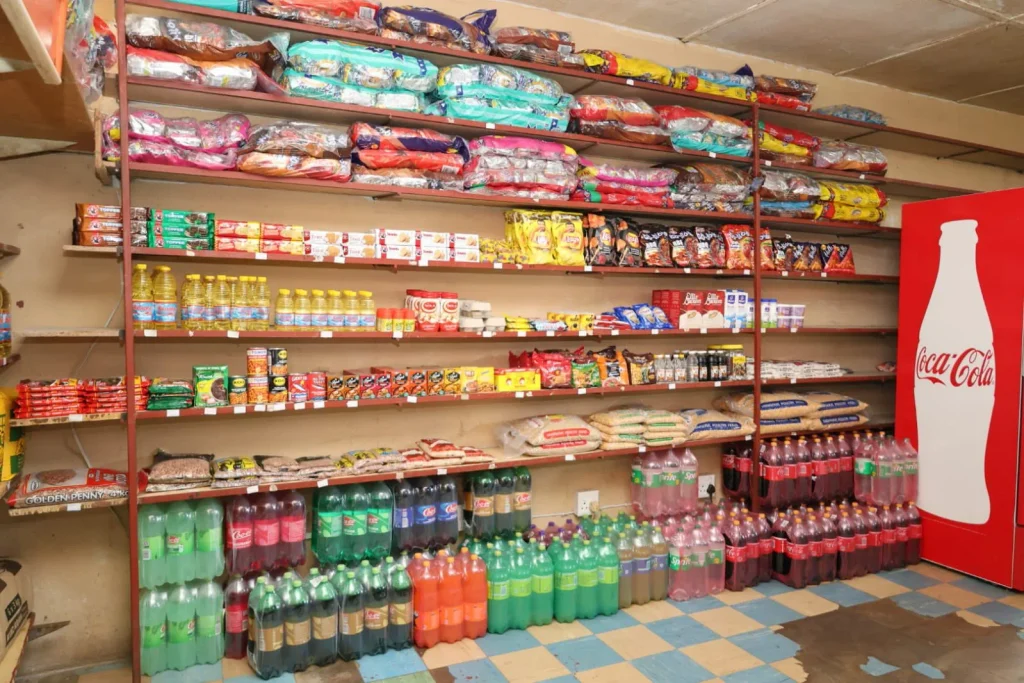
The assistance is expected to help beneficiaries replenish their shelves, improve their ability to serve customers and strengthen their businesses in the local economy.
The event also attracted local vendors who were selling goods to community members. Some expressed interest in joining the programme, highlighting the growing interest among local entrepreneurs in accessing opportunities to develop their businesses.
The fund remains open to other eligible spaza shop owners who meet the programme’s requirements. Applicants must be South African citizens, have a business bank account and operate within the relevant area to qualify, subject to the programme’s assessment criteria.
Ms Stella Thembisa Ndabeni, Minister of Small Business Development said that more than 100 shops had been approved around KZN, with over 70 spaza shops approved in the district, demonstrating the programme’s reach in assisting local entrepreneurs.
She urged community members to support their nearest spaza shops by purchasing goods locally and helping these businesses grow.
She encouraged residents to take practical steps to assist local entrepreneurs rather than resorting to social media complaints, emphasising that the first step should be to visit a nearby shop and offer the support it needs.
The call reinforced the importance of collaboration between government, traditional leadership, business owners and communities in ensuring that the benefits of the programme translate into lasting economic opportunities.
The Spaza Shop Support Fund forms part of broader government efforts to strengthen township and rural economies by supporting locally owned businesses, encouraging entrepreneurship and creating employment opportunities.
Through the provision of stock, equipment and financial assistance, the programme aims to help qualifying spaza shop owners improve their operations and build businesses that can withstand economic challenges.
The Umlalazi handover demonstrated the importance of combining government support with community participation. While financial and material assistance can help businesses establish a stronger foundation, sustained local patronage remains essential to their long-term success.
As beneficiaries begin putting the support to use, the message from government and traditional leadership remains clear: empowering South African-owned spaza shops requires not only investment but also a community willing to support its own businesses.