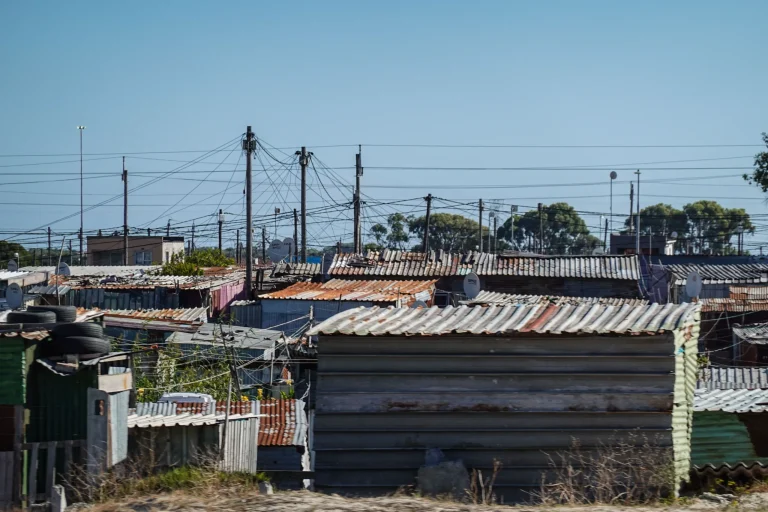

Thirty-two years after South Africans voted for houses, dignity and a better life for all, thousands of families in Merafong (West Rand of Gauteng) still wake up in shacks made of zinc and plastic.
From Khutsong South Ext 2 to Kokosi and Wedela, informal settlements are growing – not shrinking. Residents are asking: Where is the new democracy’s promise?
The Promise VS The Reality
In 1994, the housing backlog was 1.5 million. Government has since built over 3.2 million RDP houses – one of the biggest housing programs in the world.
But South Africa’s population grew from 40 million to over 62 million. And every month, more job-seekers arrive in Gauteng. In Merafong, when mines closed and hostels shut, workers had nowhere to go. They built shacks.
“Government gave us a stand number but no house. We have been waiting since 1998,” says a mother of three in Khutsong South.
Houses Far From Jobs
Many RDP houses were built far from towns where land is cheap. For a man doing piece jobs in Carletonville, a shack 5 minutes from the taxi rank is better than an RDP house 30km away with no taxi money.
A shack rent is R400. Formal rent is R2,500. For unemployed youth, informal is the only affordable housing.
CORRUPTION ON THE LIST
In ward after ward, residents allege the housing waiting list is for sale. “If you have R5,000 you get a house quickly. If you are poor you wait 20 years,” says a community leader.
Municipalities say building costs have exploded. To build one RDP now costs over R250,000, but province only gives R160,000. The gap means fewer houses per year.
The Danger in Khutsong
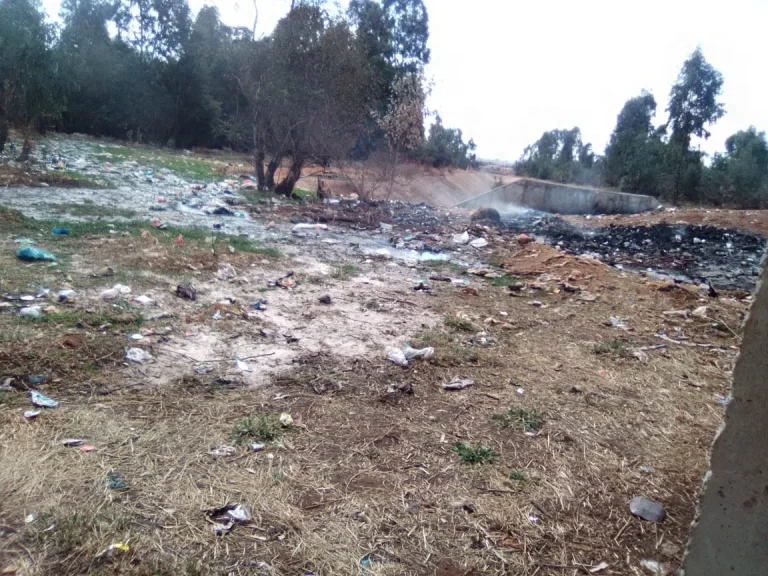
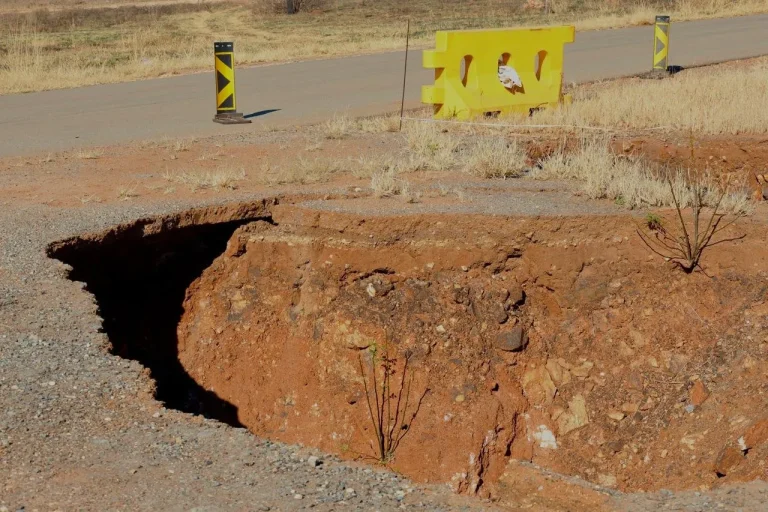
In Khutsong, the problem is more dangerous. The area sits on dolomite – unstable ground that collapses when wet. Sewer lines already burst daily, as seen at 6910 Khutsong South this week. Yet shacks are built on top of this ground with no sewer, no drainage.
Experts warn this is a sinkhole disaster waiting to happen.
Government no longer says it will eradicate shacks. The new policy is “upgrade where they are” – give water, toilets and electricity inside informal settlements.
But in Merafong, even formal areas have no working sewers. Wedela’s wastewater plant has been broken since 2015. The municipality is facing criminal charges for dumping raw sewage.
The Question Remains
The Constitution Section 26 says everyone has the right to adequate housing. It also says no one may be evicted without a court order.
So the state is trapped – it cannot provide houses fast enough, and it cannot remove shacks.
Until jobs return to Merafong, until housing lists are clean, and until land close to towns is released, informal settlements will remain the painful symbol of a democracy still waiting to deliver.