

By Ras Adv Sipho Mantula – TM African School of Public and International Affairs
As we commemorate the 50th anniversary of the Soweto Uprising Revolution of June 16, 1976, a Pan-Afrikan intellectual’s thoughts are mixed, vexed with ongoing conflicts, governance challenges and cultural relations amongst the youth and students of the African Continent.
Be that as it may, one is inspired by these lyrical texts and content of the song by Stimela -South African Band when they echo “See the world ( through the eyes of the child)”, attempting to highlight the challenges of conflicts, poverty, underdevelopment and lack of education faced by children and youth of the Afrikan continent.
As the beat goes and the lyrics denote the tones, we must listen to and decide for ourselves, as the Afrikan continent fragments and disintegrates.
It don’t hurt no more
As I’m stealing into the night
With this broken hurt
Won’t you please write a letter to yourself
Maybe we’ll touch base when I see your thoughts
Won’t you please take this time far away
There’s too much blood flowing around
Please be saviors child
Won’t you please take this child by the hand
Put a smile on the child’s face
So scared of those brother
Always feeling so alone
Now, won’t you please take the time to right the wrong
That was inherited by nest with tube
Say it loud, Say it loud
As we commemorate Soweto Uprising Day today, now called Youth Day, the Afrikan continent is in solidarity with South Afrika and has termed and set aside the day as part of the International Day of the Afrikan Child, the Day of the Afrikan Child, which has been celebrated every year since 1991, when it was first initiated by the then Organisation of African Unity (OAU), now the African Union (AU).
The Afrikan continent also honours those who participated in the Soweto Uprising in 1976, because many of the youth went into exile in their countries. The Day of the Afrikan Child raises awareness of the ongoing need to improve the education provided to African children, and in 2026, the focus is on Water, Sanitation and Hygiene.
South Africa, as an African Union member state, is under an obligation to participate and create the platform under the African Committee of Experts on the Rights and Welfare of the Child (ACERWC) to assess and fulfil the 2026 theme, which explicitly instructs member states that they must move towards “Ensuring universal access to water, sanitation and hygiene for every child in Africa”
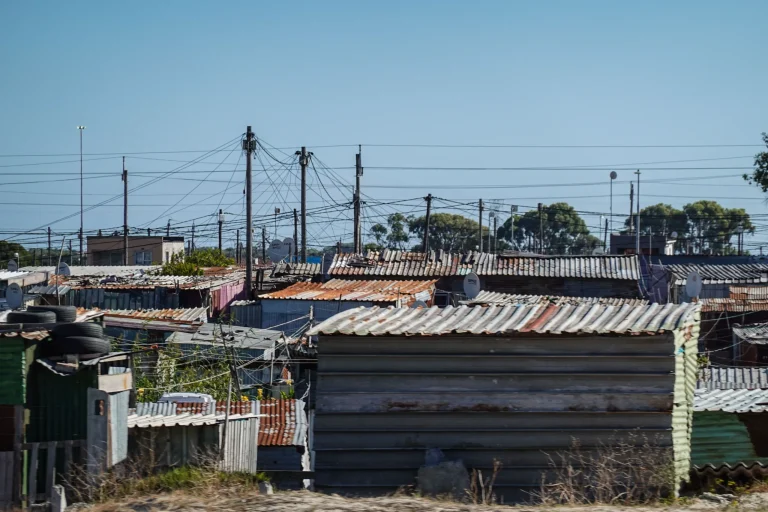
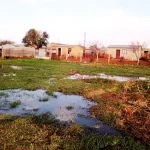
The recent release report of the South African Human Rights Commission of 2026 in Eastern Cape, Makana Municipality Council, stated a bleak picture, contradicting the theme of 2026 for the Day of the African Child and concluded that:
“The instability within water supply in Makana is not attributable to the absence of bulk raw water resources in the regional system, but rather the inability to maintain and operate existing infrastructure, which has resulted in reduced water production, low reservoir levels, and inconsistent supply to affected communities, including high-lying areas in Makana,” and the report also noted that residents in certain parts of Makana continue to rely on the bucket toilet system, more than 20 years after the introduction of national bucket eradication measures”
To observe and see the Afrika and South Afrika we want, we must begin to utilise the eyes and faces of African children and youth, and respond to their needs by providing political, economic, and cultural education that will empower them to confront the challenges that face our continent.
The youth caught in conflicts, humanitarian disasters, crime, influence, migration patterns, and unemployment in Africa must be rescued and assisted by all African governments, and Afrikan universities must provide humanity-based education and restore the relationship between mother, father, and child in an Afrikan context.
We must encourage the children and youth of Afrika and South Afrika to begin writing letters to the authorities, seeking driven solutions and African-centred education.
One of the UNISA, former student, Prof Robert Mangaliso Sobuwke, once said in 1949, as president of the Students’ Representative Council at the University of Fort Hare, echoed that.
“You have seen by now what education means to us: the identification of ourselves with the masses. Education to us means service to Africa. You have a mission; we all do. A nation to build, we have, a God to glorify, and a contribution clear to make towards the blessing of humanity. We must embody our people’s aspirations”