
Nozipho Dlamini
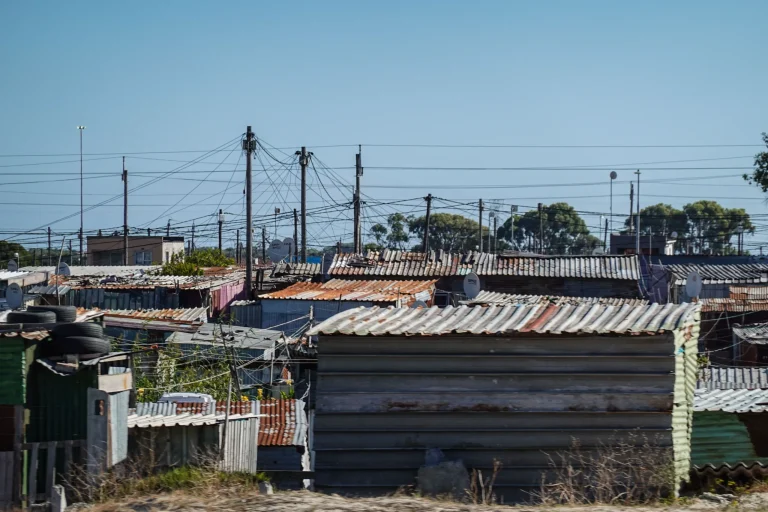
Illegal water and electricity connections place communities at risk. Across Gauteng municipalities, illegal tapping into public infrastructure has become a growing crisis that threatens lives, destroys already strained systems, and deepens inequality between those who pay for services and those who steal them.
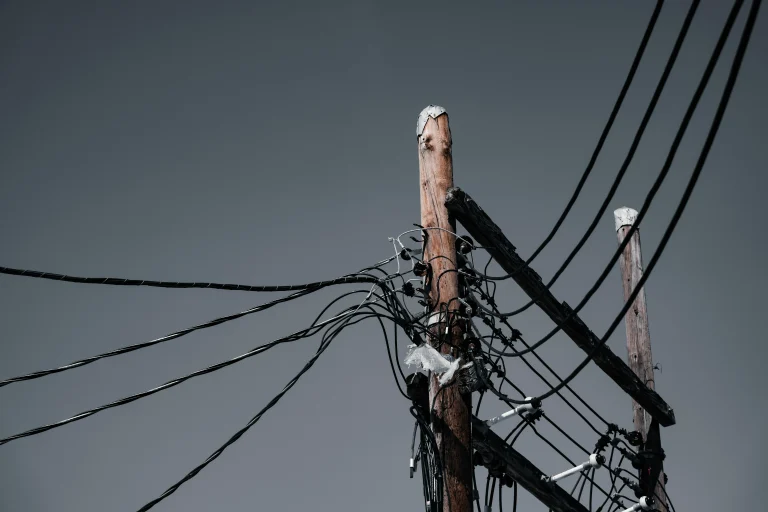
Every illegal electricity connection is a potential death trap. Exposed wires hanging from poles, unsafe cabling running through informal settlements, and overloaded transformers create the perfect conditions for electrocution, fires, and widespread blackouts.
Children are often the first victims, unknowingly playing near live wires that should never have been there in the first place.
Entire families lose homes in shack fires sparked by dangerous illegal connections. In many communities, emergency services arrive too late because the destruction spreads rapidly through densely populated areas.
Water infrastructure suffers the same abuse. Illegal water connections weaken pressure in municipal systems, cause massive leaks, contaminate clean water supplies, and damage pipelines meant to serve lawful consumers.
The result leads to burst pipes, dry taps, sewage spills, and interrupted supply to hospitals, schools, clinics, and households that depend on functioning infrastructure every day.
What many people fail to understand is that stolen services are not free. Someone always pays. Law-abiding residents who pay their municipal bills carry the financial burden through rising tariffs, deteriorating service delivery, and increasing municipal debt.
This crisis also sabotages development. Municipalities already battling ageing infrastructure and limited budgets cannot sustain systems that are continuously vandalised and illegally accessed. Transformers burn out faster. Water reservoirs are depleted.
Repair teams spend more time fixing preventable damage than improving services. Infrastructure designed for regulated use collapses under uncontrolled demand.
There is also a dangerous culture developing where illegal connections are normalised or even defended. Theft cannot become a community standard.
Poverty and unemployment are real challenges, but criminal damage to public infrastructure only worsens suffering for everyone. Communities that protect illegal connections are ultimately protecting instability, danger, and collapsing service delivery.
The Gauteng provincial government and the three metropolitan municipalities are intensifying a coordinated crackdown on illegal utility connections.
Joint operations involving municipal officials, police and private security companies are being deployed to remove illegal connections and secure infrastructure.
In the City of Tshwane, MMC for Utility Services, Frans Boshielo, announced that the metro will immediately implement a focused electricity intervention project targeting settlements located near existing electricity infrastructure where illegal connections have become widespread.
According to the city, unlawful connections have contributed significantly to recurring power outages, infrastructure damage and severe public safety risks.
The City of Ekurhuleni Metropolitan Municipality has also intensified its operations after revealing that more than 6 000 illegal electricity connections were identified in just Riverside and Palm Ridge alone.
The City of Johannesburg Metropolitan Municipality and City Power continue to conduct disconnection campaigns and infrastructure protection operations across high-risk areas. These entities have been warning that those responsible for illegal connections may face fines and possible legal action.
However, government alone cannot solve this problem. Communities must become active defenders of public infrastructure. Residents should report illegal connections, protect municipal workers carrying out repairs, and reject intimidation from criminal syndicates that profit from illegal installations. In many areas, organised groups charge vulnerable residents for unsafe illegal connections while exposing them to deadly risks.
Critical infrastructure is the backbone of service delivery. Electricity powers hospitals, schools, businesses, traffic systems, and homes. Water sustains health, sanitation, and dignity. When these systems are abused, everyone suffers, especially the disadvantaged communities.
Therefore, illegal water and electricity connections are not just harmless shortcuts. They endanger lives, destroy infrastructure, weaken municipalities, and rob honest residents who pay for services legally. Protecting public infrastructure should not only be the government’s responsibility. It is a civic duty that determines whether communities move forward or remain trapped in cycles of breakdown and crisis.
The provincial government urges communities to also play their part.
Protecting public infrastructure is everyone’s responsibility. Residents who witness illegal connections, cable theft or tampering should report it to authorities immediately. Silence enables criminality to spread and further weakens already strained services.
If you know or suspect anyone with an illegal water or electricity connection, or notice people tampering with utility infrastructure, report the matter to the police or local municipality.
Dlamini is communicator in the Gauteng Office of the Premier