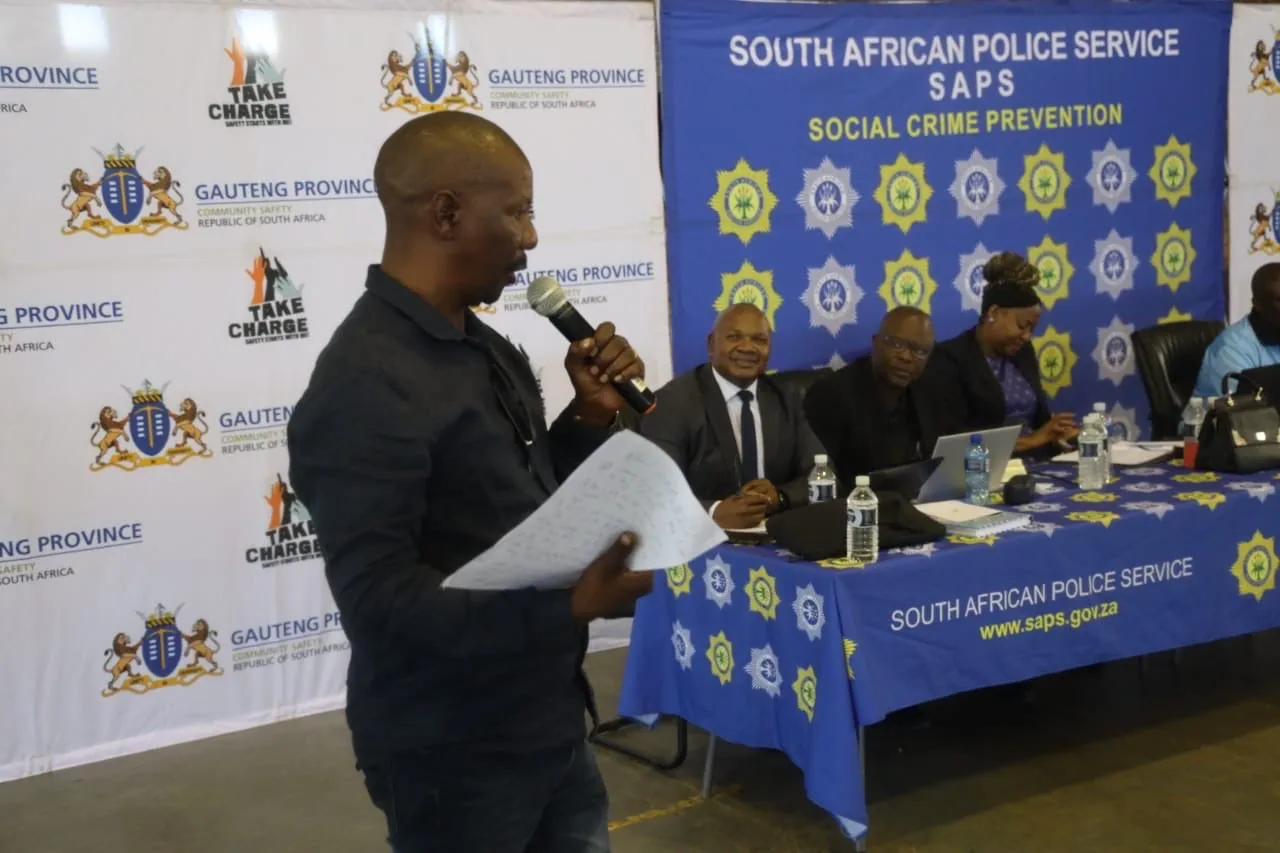

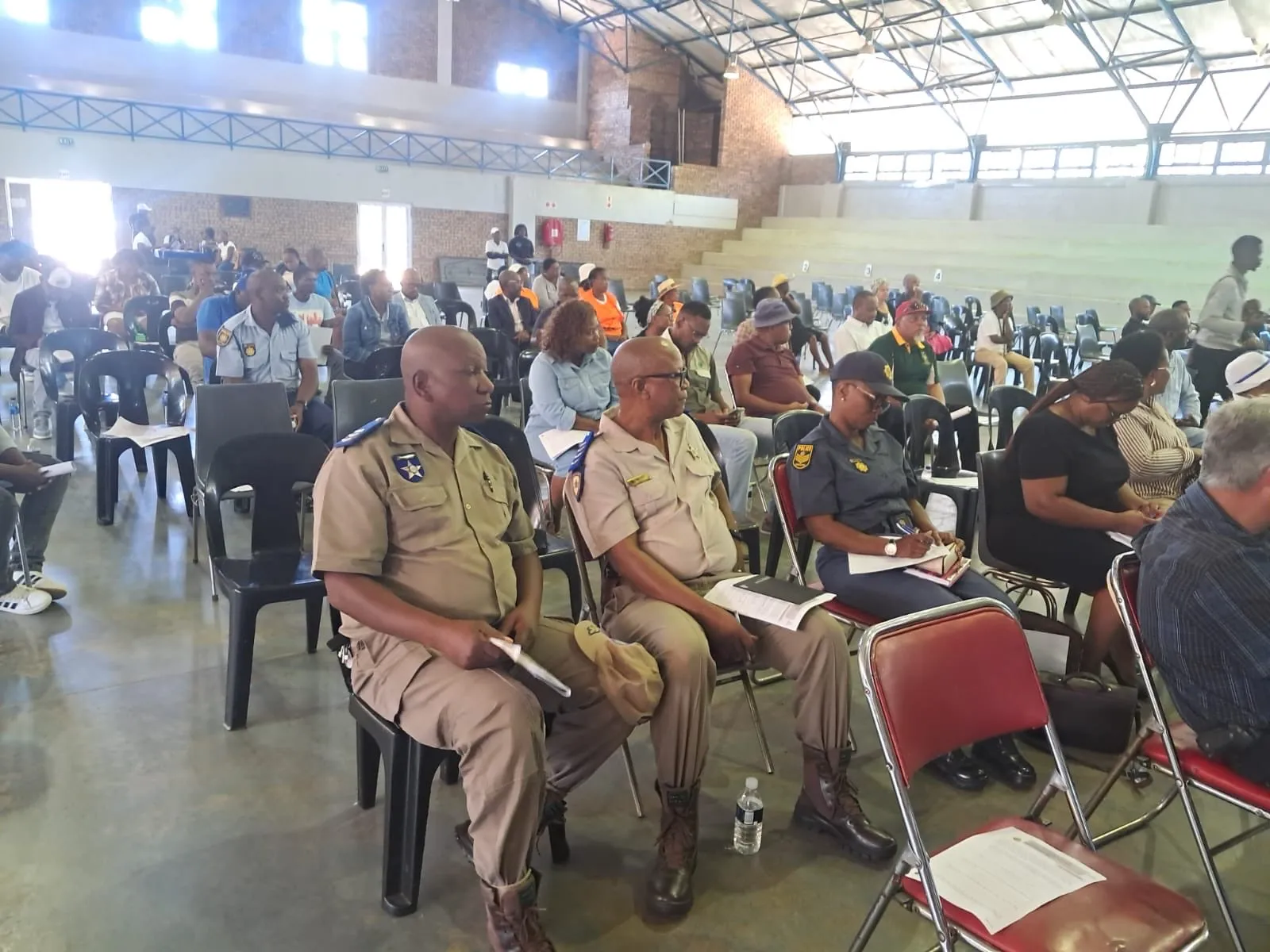
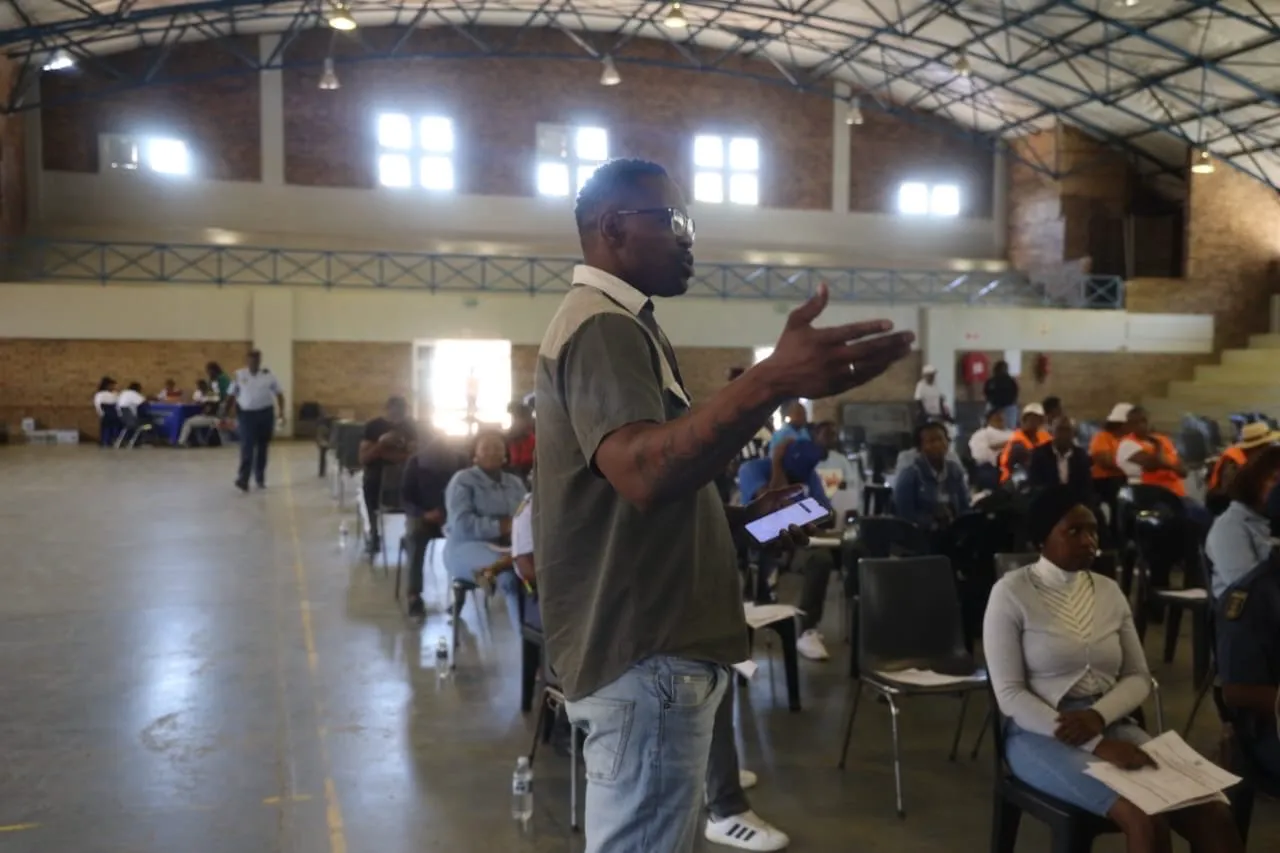
The South African Police Service (SAPS) kicked off its nationwide public consultation process on revised Station Post Requirements with a key session at the Ratanda Multi-Purpose Hall in Heidelberg recently.
The engagements, running from 8 April to 30 June 2026, aim to gather community input on how best to allocate police personnel across the country’s stations more fairly and effectively.
The Ratanda meeting formed part of a targeted sample of 100 stations, including the top 30 high-crime contributors and a balanced mix of rural and urban sites.
SAPS officials explained that the revised post requirements will consider factors such as population size, crime trends, and actual service demands when deciding how many officers each station receives.
Residents and stakeholders used the platform to highlight long-standing challenges in the Lesedi area, calling for immediate action to address severe under-resourcing at the local police station.
Rapid Growth Strains Resources in Lesedi Local Municipality
According to the latest available figures, Lesedi’s total population stands at over 50,000 households, the vast majority concentrated in the Heidelberg-Ratanda corridor.
Ratanda itself has transformed dramatically over the past decade. What began as a single township south of Heidelberg has expanded through multiple formal extensions and large-scale housing developments.
Key growth areas include Ratanda Extensions, Heidelberg Extensions 23 and 26 (integrated RDP housing projects), and the massive Obed Nkosi (Obed Mthombeni Nkosi) Township development.
The Obed Nkosi project, a flagship Gauteng human settlements initiative, was designed to deliver thousands of mixed-income houses and serviced stands to relocate residents from informal settlements, backyard dwellings, and overcrowded areas.
With several thousand units already handed over or under construction, the development is on track to nearly double the local township population within the next few years.
New roads, including upgrades to the R549, have been built specifically to serve the expanding residential footprint.
This rapid urbanisation has brought welcome housing relief but has also placed enormous pressure on existing infrastructure and services – none more so than policing.
One Under-Resourced Station Serving a Growing Population
Ratanda SAPS is the sole police station responsible for the entire Ratanda township cluster, including all its extensions and the fast-growing Obed Nkosi area.
The station currently serves more than 150,000 residents in a precinct officially ranked among the top 30 high-crime contributing stations in South Africa.
Contact crimes such as murder, assault, and robbery, along with property-related offences, remain elevated. Quarterly crime statistics consistently show hundreds of reported cases in the precinct, reflecting the socio-economic challenges typical of fast-growing urban townships: high unemployment, housing backlogs, and youth bulge.
Despite repeated promises and submissions to SAPS and the provincial government, the current facility remains severely under-staffed and under-equipped relative to the population it serves and the crime load it carries.
Consultations Continue Countywide
The SAPS consultation process is expected to inform a national reallocation of police posts, with high-priority stations like Ratanda likely to benefit if community inputs are translated into action.
Local stakeholders have urged SAPS to fast-track the upgrading of Ratanda SAPS – including additional personnel, modern facilities, and strengthened partnerships with the CPF – to match the area’s explosive growth.
Mapepeza News Media will continue to track the outcomes of the June 2026 consultation deadline and any subsequent decisions on Ratanda’s policing resources.
Residents who missed the Ratanda session are encouraged to submit written inputs directly to SAPS before the closing date.