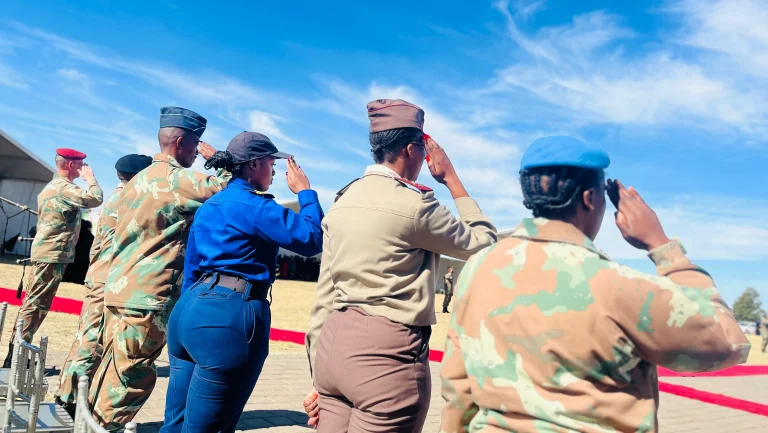

A peacekeeping mission is more than boots on foreign soil. It’s an international, multidimensional effort, usually led by the United Nations to help nations shattered by conflict rebuild and find lasting stability.
Military, police, and civilian personnel work side by side to protect civilians, maintain security, and support political processes that make peace possible.
For South Africa, that service began in September 1999 under Operation Mistral.
The South African National Defence Force (SANDF) sent a single liaison officer to the United Nations (UN) Organization Mission in the Democratic Republic of the Congo (DRC), then known as MONUC.
What started as one officer became a national commitment.
Milestones of a Nation’s Commitment
South Africa’s role in peace missions was formalized through key steps:
October 1999: Parliament adopted the White Paper on South African Participation in International Peace Missions, making peace and security in Africa a pillar of our foreign policy.
December 2000: The SANDF launched Operation Espresso, deploying military observers to monitor the Ethiopia-Eritrea peace agreement.
October 2001, Operation Fibre: South African peacekeepers deployed to Burundi bilaterally. That mission later grew into an African Union and UN presence.
From those early deployments, South Africa has become one of Africa’s largest troop contributors. Our longest and most visible deployment remains the DRC, where SANDF members continue to serve under the UN flag.
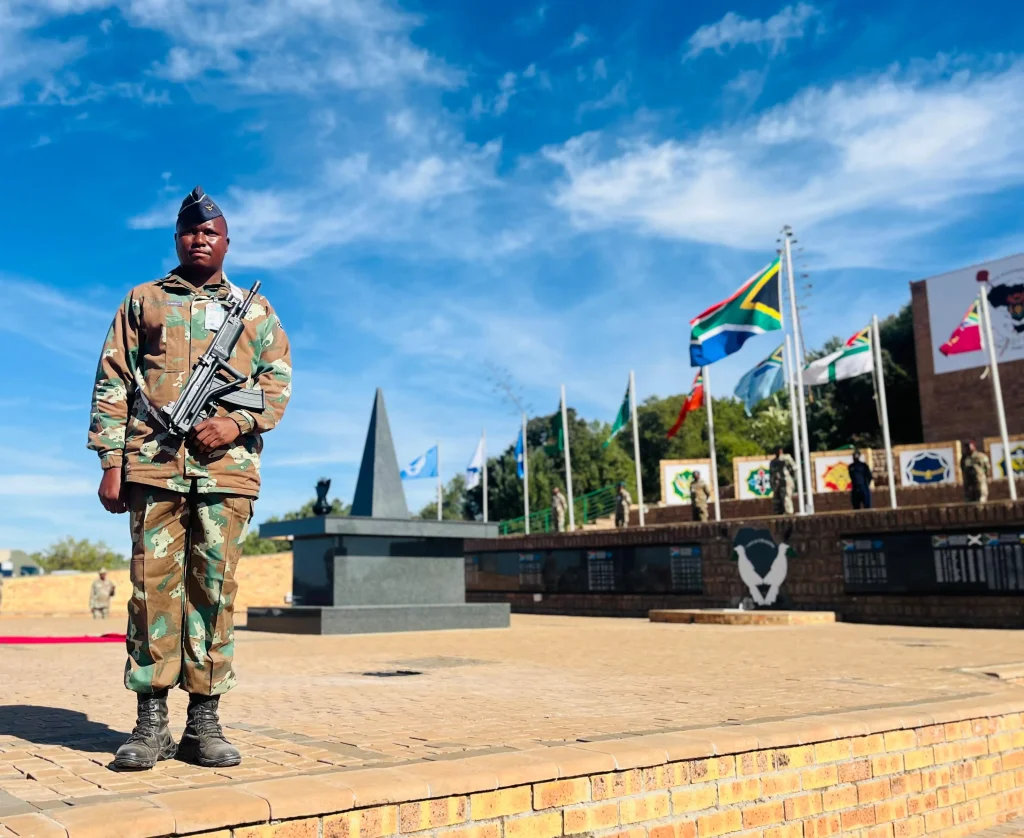
We Owe It to the Fallen
At this year’s Armed Forces Day commemoration in Limpopo in February, families gathered with soldiers to lay wreaths and remember.
For the SANDF, it’s about more than ceremony.
“Peacekeeping is vital because we work with vulnerable communities so that the country can be stable and secure,” said surviving paratrooper Lieutenant Colonel Lebeko Kwata, adding that they’ll forever remeber them.
“All soldiers who died on missions, their families are called to be part of this occasion to lay a wreath and see how the SANDF continues to mourn our fallen heroes, but more importantly, to honour them for dying in a good cause.”
Brigadier General Thabo Masweu, Chaplain General of the SANDF, spoke to the spiritual weight of the day. His responsibility, he explained, is the ethical and spiritual wellbeing of members supporting commanders in caring for the whole soldier.
“Military people are quiet, special, unique people because when they go out and fight around the world, they do it in the name of the country and the United Nations. When they lose their lives in battle, we owe it to them to honour them,” he said adding that the UN’s International Day of UN Peacekeepers on 29 May is for remembering all our fallen heroes and heroines.
Brigadier General Nditsheni Singo, Director of Peace Support Operations in Joint Operations, oversees South Africa’s participation in continental and regional missions was clear about the SANDF’s role: government makes the decision, soldiers carry it out.
“We have lost, and we believe the families have lost too. When we hold memorials and lay wreaths to honour peacekeepers, as called for by UN declarations, we are trying to bring closure to families. We’re also showing them that we remain part of them. The fallen heroes will stay with us forever — they are part of us. That’s why we say: we will remember them.”
He added that the SANDF continues to support bereaved families by preserving the good memories they shared with their loved ones.
Limpopo’s Sacrifice
Limpopo Premier Dr. Phophi Ramathuba noted that her province has felt the loss deeply.
Most of the soldiers who died on UN peacekeeping missions came from her region. She thanked them for their service during Armed Forces Day, held in Limpopo, and acknowledged the cost their communities continue to bear.