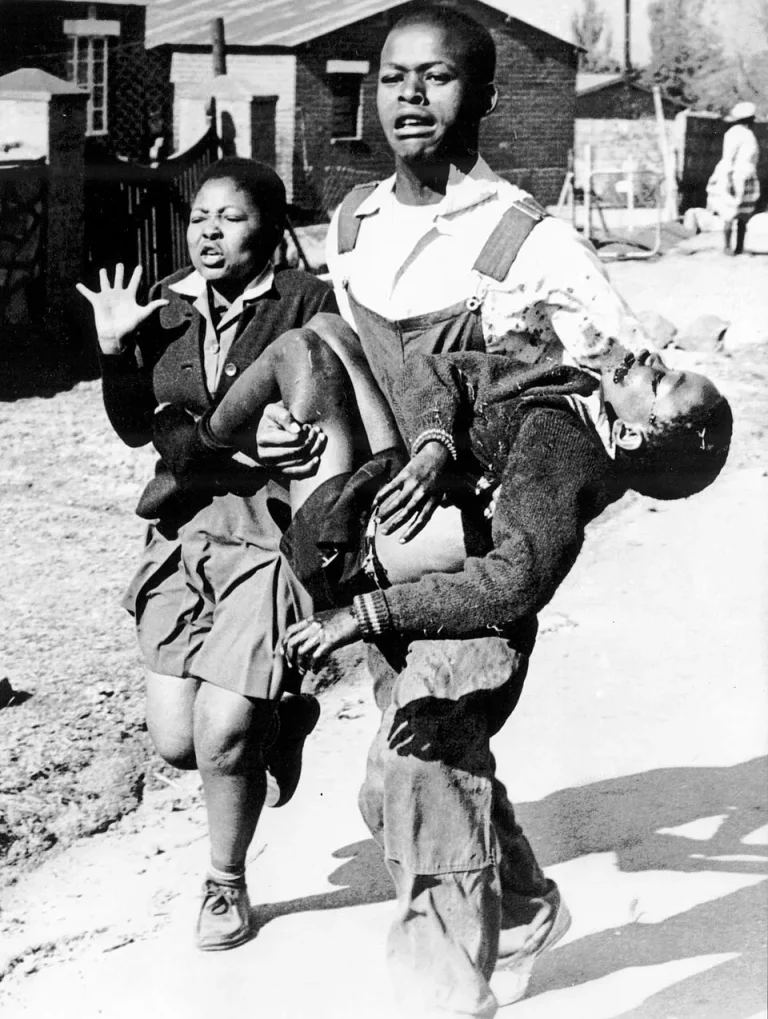

As South Africa marks 50 years since the historic June 16, 1976 Soweto Uprising, veterans of the struggle and young people from across Johannesburg will retrace the original march route to Orlando Stadium on Youth Day, calling for renewed action on issues affecting the country’s youth.
The march, scheduled for Tuesday, June 16, aims to honour the legacy of the youth of 1976 while highlighting the social and economic challenges that continue to affect young South Africans five decades later.
Participants, including veterans of the 1976 student movement, civil society organisations, community members and young people from Soweto and surrounding areas, will march from the Confrontation Address in Orlando West to Orlando Stadium, where they plan to hand over an 11-point Youth Manifesto to President Cyril Ramaphosa.
Seth Mazibuko, one of the organisers of the original 1976 march and a former member of the Student Action Committee, said Orlando Stadium holds deep historical significance.
“It is an affront to us and the youth of today that the main commemoration of the 1976 Uprising should not take place at Orlando Stadium,” said Mazibuko.
“Orlando is not merely a venue, but a symbol of youth courage, resistance and hope. In 1976 we planned to end our march at Orlando Stadium. The commemoration of June 16 anywhere else diminishes the sacrifices made on that fateful day to secure the freedoms we enjoy in a democratic South Africa.”
Mazibuko also criticised the stadium’s commercial renaming through sponsorship by an alcohol company, arguing that it conflicts with the values that inspired the youth uprising.
Among the concerns raised by organisers is the continued impact of alcohol and substance abuse on communities. Nomcebo Dlamini, Campaign Director of the Southern African Alcohol Policy Alliance (SAAPA), said alcohol-related harm remains a serious challenge for many young people.
“In 1976 young people resisted apartheid systems that used alcohol as a tool of social control and economic extraction. Beer halls were deliberately used to pacify black communities while generating municipal revenue. The youth uprisings challenged these oppressive structures,” said Dlamini.
Organisers say many of the issues that motivated young people to protest in 1976 remain unresolved today.
Johannesburg Junior Mayor Kamogelo Malikane said young people continue to face unemployment, poverty, crime, substance abuse, mental health challenges and limited economic opportunities.
“Fifty years later, many of the issues that concerned the Class of ’76 remain with us. We will be handing over an 11-point Youth Manifesto to the President, calling for stronger substance abuse prevention programmes, accessible treatment and recovery services, and healthier communities where young people can thrive,” said Malikane.
The Youth Manifesto also calls for greater economic inclusion, quality education, universal healthcare, climate action, gender justice, food security, arts and heritage preservation, transparent governance, youth participation in decision-making and improved community infrastructure.
The organisers say the march is not only about remembering the past, but also about completing the unfinished work of the youth of 1976 and ensuring that future generations have access to opportunities, dignity and a better quality of life.
March Details
Date: Tuesday, 16 June 2026
Time: 10:00
Starting Point: Confrontation Address, corner of Moema and Vilakazi Streets, Orlando West, Soweto
Destination: Open field at Orlando Stadium
The march forms part of nationwide Youth Day commemorations marking the 50th anniversary of the Soweto Uprising, one of the most significant events in South Africa’s struggle against apartheid.