Gauteng Social Development tables R5.6bn budget focused on jobs, food security and vulnerable groups
The MEC said the budget was intended to address poverty, unemployment, food insecurity, substance abuse, gender-based violence and social exclusion.

The Gauteng Department of Social Development has tabled a R5.638 billion budget for the 2026/27 financial year, with plans to expand work opportunities, strengthen food-security programmes, support people recovering from substance abuse and provide services to vulnerable children, older persons and people with disabilities.
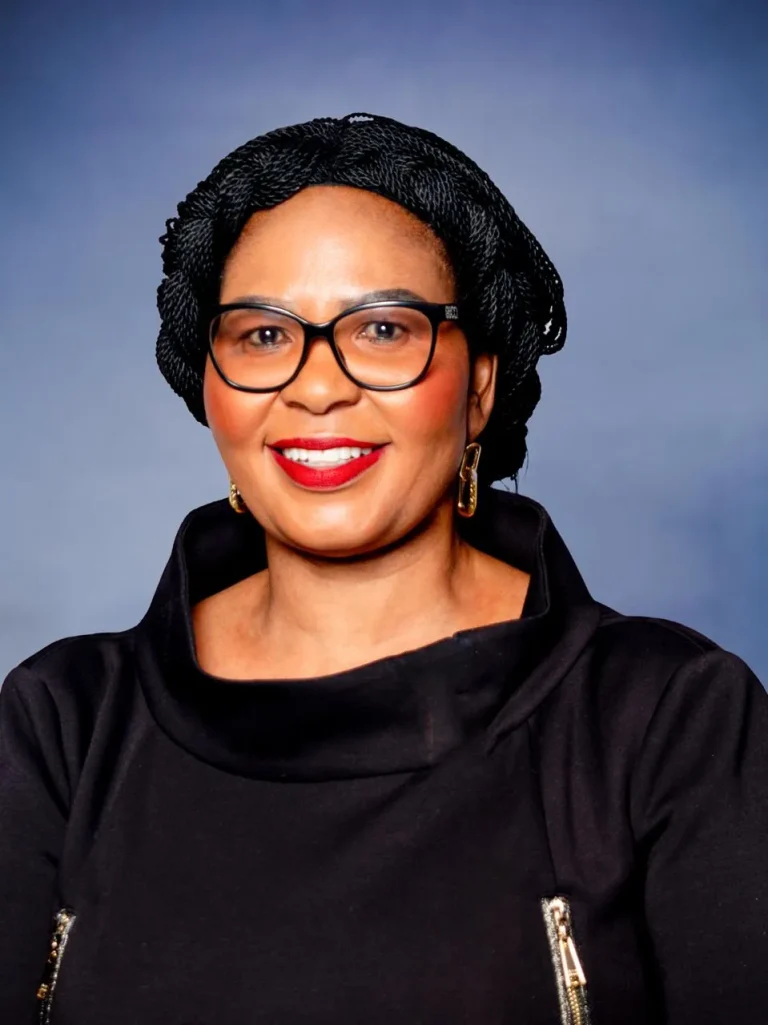
Presenting Budget Vote 6, Gauteng MEC for Social Development Nomantu Nkomo-Ralehoko said the department’s programme for the year would be guided by what she described as a “New Normal” – an approach aimed at strengthening government capacity, using innovation and moving residents from dependency towards economic participation.
The MEC said the budget was intended to address poverty, unemployment, food insecurity, substance abuse, gender-based violence and social exclusion.
“This budget frames social development not merely as welfare provision, but as a social transformation revolution,” Nkomo-Ralehoko said.
A major part of the budget will focus on employment and skills development. The department has allocated R152 million to create about 8 000 work opportunities through the Expanded Public Works Programme.
A further R238 million will be spent on skills development initiatives expected to benefit more than 50 000 young people, while over 42 000 beneficiaries are expected to receive support through income-generating programmes and economic opportunities.
The department said it would also continue supporting township enterprises, cooperatives and community-based businesses as part of efforts to stimulate local economic activity.
Food security remains another key priority, with R112 million allocated to food distribution centres, community nutrition programmes, food parcels and food banks. The department said more than 341 000 people are expected to benefit from poverty-reduction initiatives during the financial year.
Nkomo-Ralehoko announced plans to strengthen state capacity through the establishment of a state-run food bank system, which she said would allow government to coordinate food-security interventions more effectively.
The Bana Pele programme has received R344 million for school uniforms, dignity packs and food support for vulnerable children and families.
The department has also set aside R93 million for shelters, safe spaces, outreach programmes and reintegration initiatives for homeless people. Mobile wash buses will continue operating in parks, open spaces and other areas where homeless people are living.
In a new intervention, the department plans to introduce the Second Half Programme, aimed at helping people who have completed substance-abuse rehabilitation programmes to access skills development, bursaries, entrepreneurship opportunities and workplace exposure.
The programme will work with institutions such as NSFAS, higher education institutions, SETAs and the National Youth Development Agency to support beneficiaries as they reintegrate into society.
Substance-abuse prevention, treatment and rehabilitation programmes will receive R498 million during the 2026/27 financial year.
The MEC also highlighted the refurbishment and reopening of the Dr Fabian and Florence Ribeiro Treatment Centre, which is being developed into a centre of excellence for treatment, rehabilitation, research and professional development.
Funding for the Victim Empowerment Programme has increased from R171 million to R178 million. The money will support shelters, psychosocial services, community interventions and awareness programmes for survivors of violence.
Services for older persons will receive R373 million, with more than 22 000 older people expected to benefit from residential and community-based care programmes.
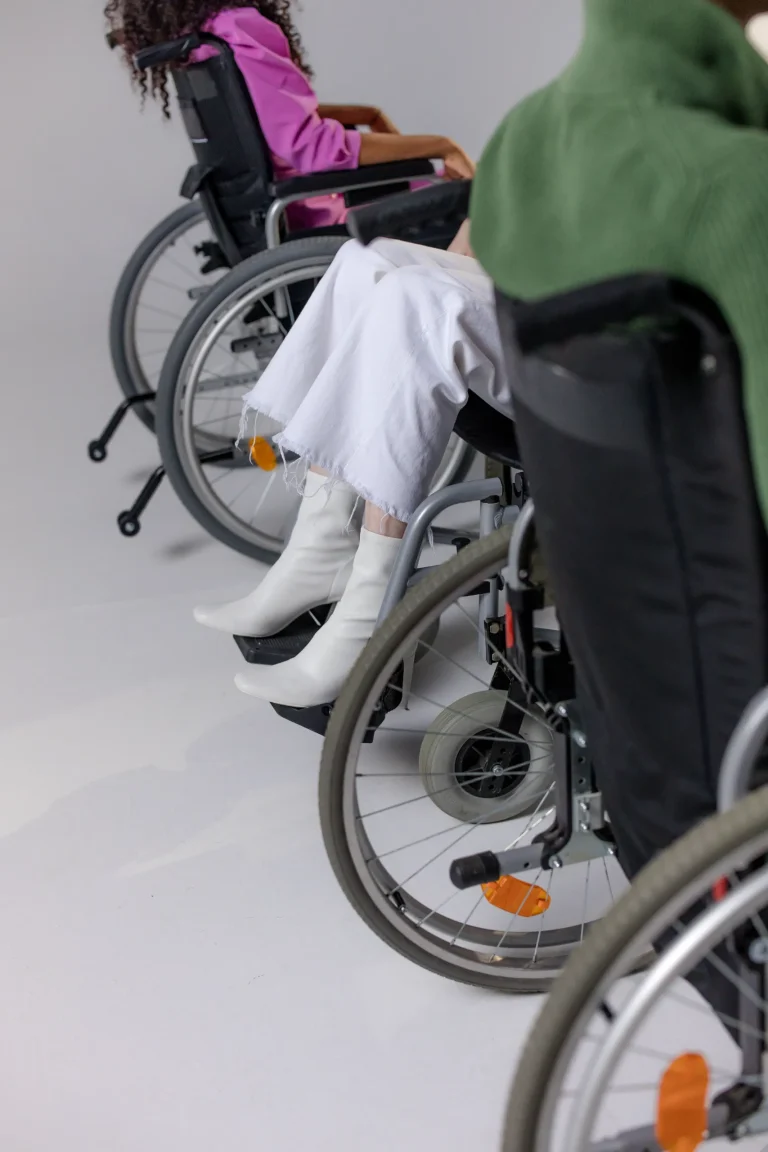
The department has allocated R160 million to programmes for people with disabilities, including residential facilities, protective workshops and initiatives aimed at improving independence, inclusion and economic participation.
The overall departmental budget has been divided across five programmes:
- Administration: R834 million
- Social Welfare Services: R899 million
- Children and Families: R2 billion
- Restorative Services: R866 million
- Development and Research: R940 million
Nkomo-Ralehoko said the department would continue working with civil society organisations, faith-based groups and communities, while also strengthening the state’s ability to coordinate and deliver social services.
She said the budget was intended to build a more inclusive, caring and economically active Gauteng.
“The people of Gauteng must become active participants in shaping their own destiny,” she said.