
Water utility Rand Water says a new strategy to remove invasive plants from the Vaal River is showing strong results, with plant coverage in the Vaal River Barrage Reservoir dropping dramatically since 2024.
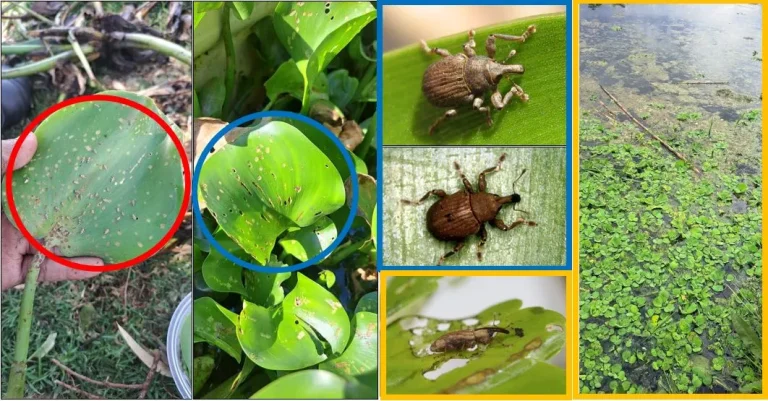
According to the organisation, invasive plants such as Water Hyacinth and Water Lettuce had spread rapidly across the reservoir in recent years, largely due to pollution and warm water conditions. These plants can grow quickly, block waterways, damage ecosystems and affect water quality.
At the peak of the infestation in 2024, invasive plants covered about 414 hectares, or 31.8% of the reservoir’s surface.
However, new data released in March 2026 shows the coverage has been reduced to just 0.46 hectares (0.03%), marking a significant improvement.
Pollution behind plant growth
Experts say the spread of these plants has been made worse by pollution entering the river system. Wastewater flowing into the river from poorly functioning treatment plants increases nutrient levels in the water, which allows invasive plants to grow rapidly.
These plants not only affect biodiversity but can also slow water flow, reduce water quality and impact nearby communities and businesses that depend on the river.
New strategy to control invasive plants
To tackle the problem, Rand Water, working under contract for the Department of Water and Sanitation, introduced an integrated control plan for the reservoir.
The strategy includes:
- Removing plants physically using machinery, specialised boats and manual labour
- Using approved herbicides in targeted areas
- Releasing natural biological control insects that feed on the invasive plants
- Installing barriers in the water to trap plants and stop them spreading
Officials say this combined approach has proven far more effective than using a single method alone.
The programme covers about 1,300 hectares of water surface in the reservoir, with teams monitoring the river weekly to detect and remove new growth before it spreads.
Thousands of tonnes removed
Since October 2025, the project has:
- Removed about 3,855 cubic metres of invasive plants
- Released nearly 940,000 biological control insects
- Applied herbicide to about 35 hectares of affected areas
As a result, the plant coverage during the current growing season has remained below 10 hectares, far lower than the 18.95 hectares recorded during the same period last year.
Community partnerships key
Officials say cooperation between government, researchers and local communities has also played an important role.
Community members have even established biological insect breeding stations at their own cost to support the programme. Government departments involved include the Department of Forestry, Fisheries and the Environment and the Department of Agriculture, Land Reform and Rural Development.
Long-term challenge remains
Despite the progress, pollution in the river remains a major concern. Seeds of invasive plants can survive for up to 20 years, meaning the fight against them will require continuous monitoring and management.
Rand Water says the success of the programme shows that a coordinated, long-term strategy is essential to protect South Africa’s rivers and secure water resources for the future.